
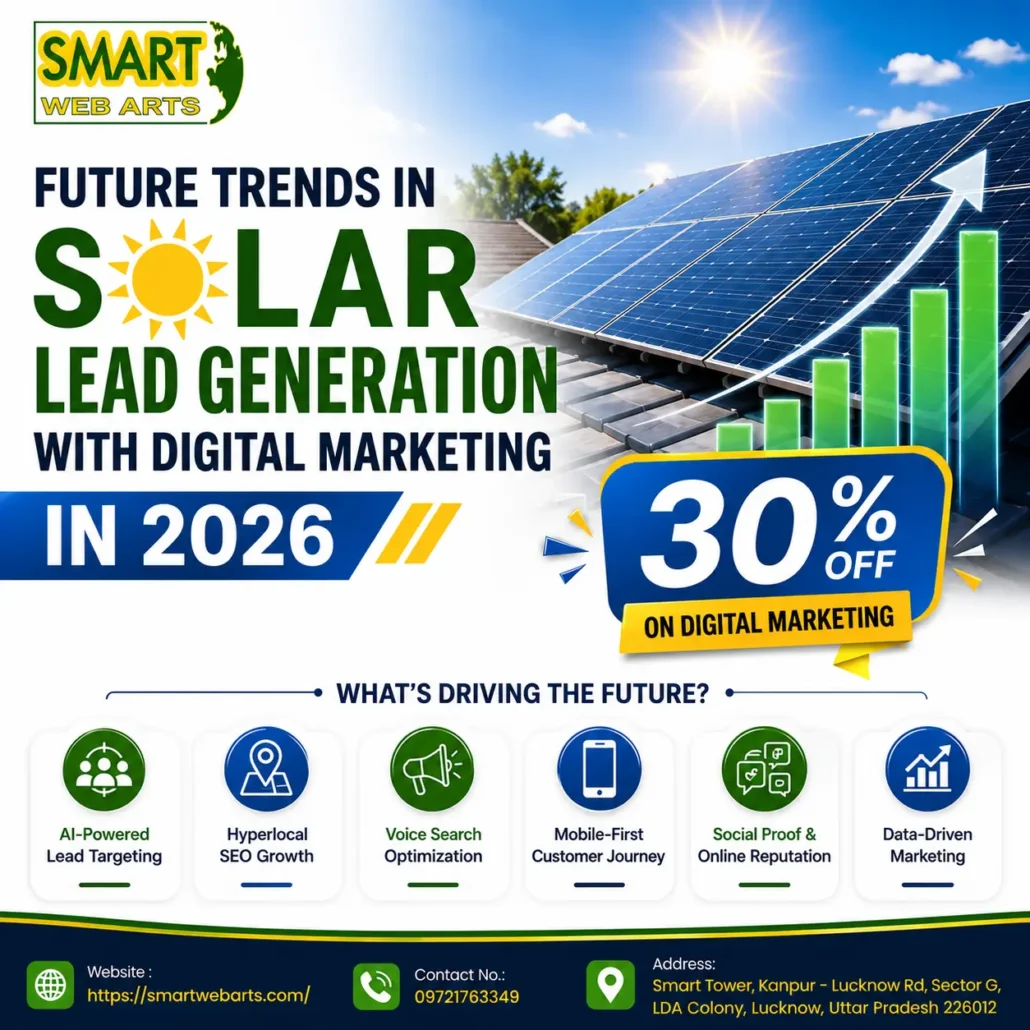
As the solar industry continues to grow, competition among solar companies is becoming more intense. In 2026, simply offering quality solar installation services will no longer be enough to attract customers. Businesses need a strong digital presence, a clear brand message, and a data-driven marketing strategy to generate qualified leads consistently. Homeowners and commercial property owners are now more informed than ever, and they expect fast responses, transparent pricing, trustworthy reviews, and helpful online content before they even consider inquiring. This means solar companies must do more than advertise their services—they must educate, engage, and build confidence at every stage of the buyer journey.
The future of Solar Lead Generation lies in combining advanced digital marketing techniques, automation, AI-powered analytics, and customer-focused campaigns. Companies that invest in modern marketing strategies will be better positioned to attract qualified prospects, improve conversions, and achieve sustainable Solar Business Growth. The brands that win will not simply advertise more; they will communicate better, nurture leads faster, and create a smoother buying journey from first click to final consultation.
The solar buying process has also become more complex. Customers often compare multiple providers, research financing options, check government incentives, read testimonials, and evaluate installation timelines before making a decision. Because of this, the companies that succeed in 2026 will be the ones that understand how to meet customers where they are online. A well-planned digital strategy can help solar businesses appear in search results, capture attention on social media, nurture leads through email and automation, and convert interest into real sales opportunities. In a market where trust and visibility matter so much, digital marketing is no longer optional—it is essential for long-term growth.
Why Solar Lead Generation Will Change in 2026
The buying journey for solar customers has changed significantly. Before contacting a solar installer, most customers research online, compare multiple providers, read reviews, check financing options, and evaluate pricing, warranties, and installation timelines. Many also look for proof of savings, case studies, and local project experience before they even fill out a form.
This means businesses need a comprehensive Solar Lead Generation Strategy that connects with customers throughout every stage of their buying journey. A modern strategy must educate prospects early, build trust during the comparison stage, and make it easy for them to request a quote or Solar Consultation when they are ready to move forward.
Future-ready solar businesses will focus on:
- Personalized customer experiences
- AI-driven marketing automation
- Data-based campaign optimization
- Local SEO dominance
- Multi-channel customer engagement
- High-converting landing pages
- Faster lead response times
- Better lead qualification systems
- Stronger brand storytelling
- Trust-building content and social proof
These trends will transform how companies approach Solar Business Marketing and customer acquisition. Instead of relying on one channel alone, successful solar brands will combine organic search, paid ads, social media, email nurturing, and remarketing into one connected growth system.
AI-Powered Marketing Will Transform Solar Lead Generation
Artificial intelligence is becoming a major part of digital marketing. In 2026, AI tools will help solar companies understand customer behavior, personalize marketing campaigns, and automate repetitive tasks that once required significant manual effort.
Some key AI applications include:
- Predicting customer intent based on search behavior
- Creating personalized email campaigns
- Automating lead qualification
- AI-powered chatbots for instant customer support
- Smart campaign optimization for better conversions
- Dynamic ad targeting based on user interests
- Automated content suggestions for blogs and landing pages
AI can also help solar businesses identify which leads are most likely to convert. Instead of treating every inquiry the same, companies can prioritize prospects based on location, budget, property type, energy usage, and engagement level. This improves sales efficiency and helps teams focus on the most valuable opportunities.
Businesses that adopt AI-driven marketing can respond faster to inquiries, improve the overall customer experience, and create more relevant messaging across every digital channel. In a competitive market, speed and personalization can make a major difference in lead quality.
Search Engine Optimization Will Continue to Deliver Long-Term Results
One of the most effective ways to generate consistent leads is through Search Engine Optimization. Ranking higher in search engines increases visibility and attracts users actively searching for solar services. Unlike paid ads, SEO builds long-term authority and can continue generating traffic even when ad budgets fluctuate.
A strong SEO strategy should include:
- Local keyword optimization
- High-quality educational content
- Technical SEO improvements
- Mobile-friendly website design
- Fast loading speeds
- Internal linking
- Structured data implementation
- Optimized service pages
- FAQ-rich content
- Location-based landing pages
SEO remains one of the highest ROI marketing channels for Lead Generation for Solar Installers, helping businesses attract organic traffic and reduce long-term acquisition costs. In 2026, search engines will continue rewarding websites that provide useful, trustworthy, and locally relevant information. That means solar companies must go beyond basic keyword placement and focus on content depth, user experience, and topical authority.
SEO will also become more conversational. As voice search and AI-assisted search grow, users will ask more natural questions such as “What is the best solar company near me?” or “How much can I save with rooftop solar?” Businesses that structure content around these questions will have a stronger chance of ranking and converting visitors.
Paid Advertising Will Become More Intelligent
In 2026, paid advertising will become smarter, more automated, and highly data-driven. Platforms like Google Ads and Meta Ads are continuously improving their artificial intelligence (AI) capabilities, enabling businesses to reach the right audience at the right time with greater accuracy. Instead of relying on broad targeting, advertisers can use AI-powered tools to identify potential customers based on their search behavior, interests, demographics, online activity, and purchase intent.
For solar companies, intelligent advertising means spending less on unqualified clicks while generating more high-quality solar leads. Advanced machine learning algorithms automatically optimize bids, ad placements, and audience targeting to maximize conversions and improve return on investment (ROI). As a result, businesses can achieve better campaign performance without significantly increasing their advertising budget.
Modern paid advertising strategies for solar businesses include:
- AI-powered audience targeting
- Smart bidding for higher conversions
- Performance Max campaigns in Google Ads
- Automated lead generation campaigns
- Dynamic ad creatives based on user behavior
- Remarketing campaigns for website visitors
- Location-based advertising for local solar services
- Conversion tracking and call tracking
- A/B testing of ad copy and landing pages
- Budget optimization using real-time campaign data
Another growing trend is predictive advertising, where AI analyzes historical campaign data to predict which users are most likely to become customers. This helps solar companies prioritize high-value prospects and improve lead quality.
To maximize results, paid advertising should work alongside SEO, content marketing, and optimized landing pages. While paid ads generate immediate visibility, SEO builds long-term organic traffic, creating a balanced and sustainable digital marketing strategy for solar lead generation.
Google Ads for High-Intent Customers
Running Google Ads for Solar Installers allows businesses to appear when potential customers actively search for solar installation services. These users are often already in the decision-making stage, which makes them highly valuable leads.
Benefits include:
- Immediate visibility
- High-quality leads
- Local targeting
- Budget flexibility
- Conversion tracking
- Search intent targeting
- Call extensions and lead form extensions
- Remarketing opportunities
- Faster testing of offers and landing pages
When combined with Pay Per Click optimization, Google Ads campaigns can deliver measurable results while maximizing return on investment. Solar businesses can target keywords related to installation, pricing, financing, subsidies, and consultation requests. They can also create separate campaigns for residential and commercial audiences to improve relevance and lead quality.
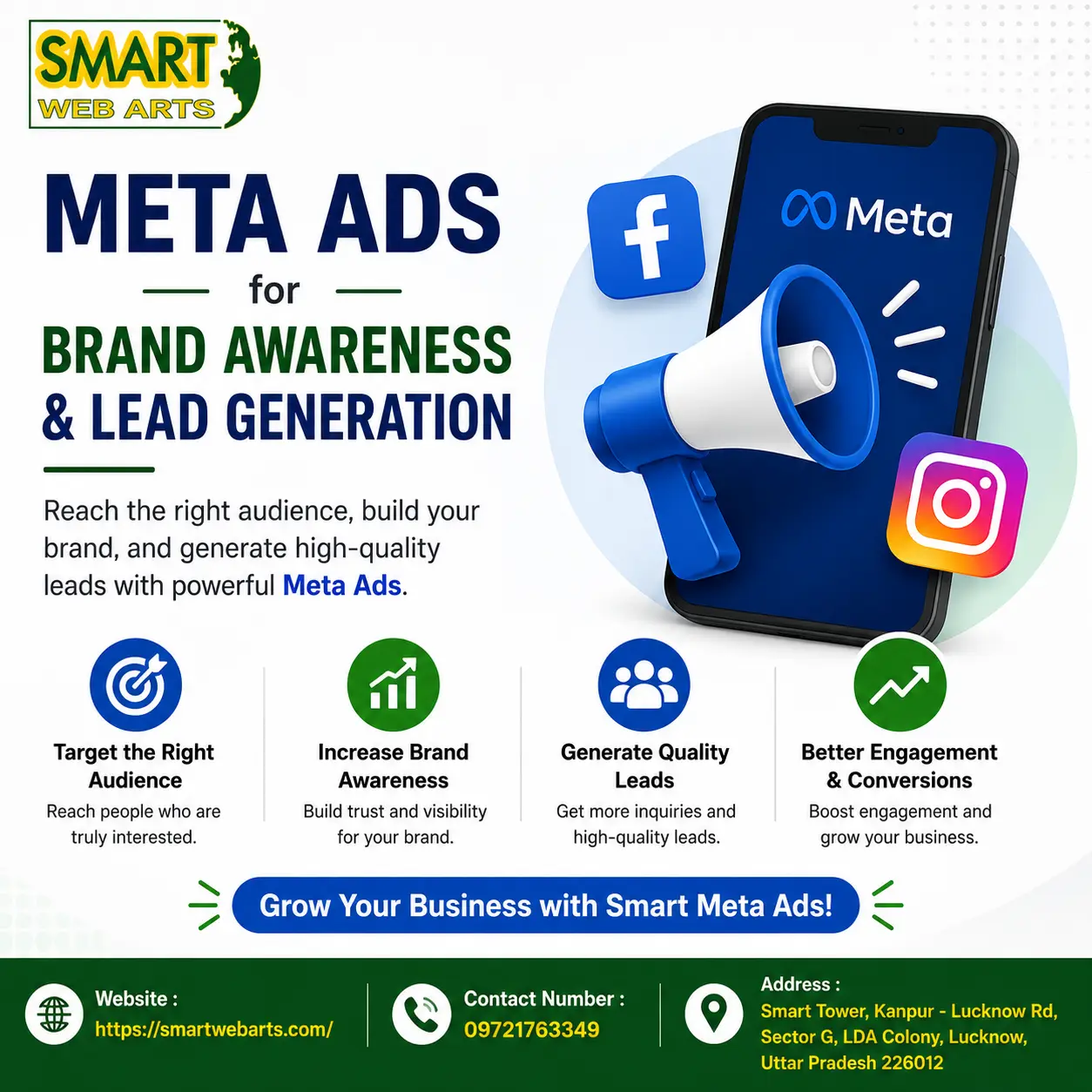
Meta Ads for Brand Awareness and Lead Generation
Social media continues to influence customer decisions. Many homeowners and business owners discover solar brands while browsing Facebook, Instagram, or other Meta platforms. This makes Meta Ads a powerful tool for both awareness and lead generation.
Running Meta Ads for Solar Companies allows businesses to reach homeowners based on location, interests, income level, homeownership status, and online behavior. These campaigns are especially effective for introducing solar solutions to audiences who may not yet be actively searching but are likely to be interested.
Effective Meta Ads campaigns can:
- Generate qualified inquiries
- Increase brand awareness
- Promote special offers
- Capture leads through instant forms
- Retarget previous website visitors
- Showcase customer testimonials
- Highlight before-and-after project visuals
- Promote financing or subsidy offers
As privacy regulations evolve, first-party customer data and creative storytelling will become even more important for campaign success. Solar brands will need to create compelling visuals, short videos, and clear value propositions that quickly communicate why their service is worth exploring. Meta Ads also work well for remarketing. A visitor who viewed a solar pricing page but did not submit a form can later be shown a testimonial ad, a financing offer, or a free consultation reminder. This keeps the brand top of mind and increases the chance of conversion.
Marketing Funnels Will Become More Personalized
The traditional sales process is evolving into a customer-focused Marketing Funnel. Instead of expecting customers to buy immediately, businesses will nurture prospects with valuable content throughout their decision-making journey. In 2026, personalization will be one of the biggest drivers of funnel performance.
A successful funnel may include:
- Educational blog content
- SEO landing pages
- Google Ads campaigns
- Meta Ads campaigns
- Free Solar Consultation
- Email nurturing
- Customer testimonials
- Final sales consultation
- Follow-up reminders
- Retargeting ads
This approach improves trust and increases conversion rates. A prospect who first discovers a solar company through a blog post may later see a Google ad, then a Meta ad, then receive an email with a case study, and finally book a consultation. Each touchpoint builds confidence and reduces friction. Personalized funnels will also help solar businesses segment audiences more effectively. For example, a homeowner interested in Residential Solar may need different messaging than a commercial property owner exploring large-scale energy savings. By tailoring content to each audience, businesses can improve relevance and close more deals.
Local Marketing Will Be More Important Than Ever
Most solar customers search for providers within their city or region. They want installers who understand local regulations, weather conditions, subsidy programs, and utility policies. That is why local visibility will remain one of the most important factors in solar lead generation.
Businesses should optimize their online presence by:
- Creating location-specific landing pages
- Managing business listings
- Collecting customer reviews
- Publishing local success stories
- Optimizing Google Business Profile
- Adding service-area pages
- Using city-based keywords
- Embedding maps and contact details
- Showcasing nearby installations
Local SEO ensures solar companies reach nearby homeowners searching for Residential Solar solutions. It also helps businesses appear in map results, local packs, and “near me” searches, which often have strong purchase intent.
For solar installers, local trust signals matter a lot. Reviews, photos of completed projects, local testimonials, and region-specific content can significantly improve conversion rates. A customer is more likely to contact a company that appears active, credible, and familiar with their area.
Data-Driven Decision Making Will Improve Campaign Performance
Digital marketing in 2026 will rely heavily on analytics. Solar businesses can no longer afford to guess which campaigns are working. They need clear data to understand what drives leads, what improves conversions, and where budget is being wasted.
Businesses should regularly monitor:
- Website traffic
- Cost per lead
- Conversion rate
- Lead quality
- Keyword rankings
- Ad performance
- Return on ad spend
- Form completion rate
- Call tracking results
- Landing page engagement
By analyzing these metrics, companies can continuously refine their Solar Marketing Services for Installers and maximize campaign effectiveness. Data helps identify which keywords bring the best traffic, which ads generate the most qualified inquiries, and which landing pages need improvement.
Which Platform Is Best for Solar Leads: Google Ads vs. Meta Ads?
Solar businesses often ask whether Google Ads or Meta Ads is better for generating leads. The answer depends on your goals, budget, and audience. In most cases, both platforms work best when used together as part of a strong digital marketing strategy for solar lead generation.
Google Ads: Capture High-Intent Solar Leads
Google Ads is best for reaching people who are already searching for solar services. When users search for terms like “solar panel installation near me” or “best solar company,” they are usually ready to take action.
Benefits of Google Ads for Solar Companies:
- Reaches users with strong buying intent
- Generates quick, conversion-focused leads
- Works well for local searches
- Supports call ads and lead forms
- Offers clear tracking and ROI measurement
Google Ads is ideal for businesses that want immediate inquiries from ready-to-buy customers.
Meta Ads: Build Awareness and Generate Demand
Meta Ads on Facebook and Instagram are useful for reaching people who may not be actively searching yet. These ads help solar companies build awareness and educate potential customers.
Benefits of Meta Ads for Solar Companies:
- Increases brand visibility
- Generates leads through instant forms
- Supports image, video, and carousel ads
- Helps with remarketing
- Educates audiences about solar benefits
Meta Ads work well for promotions, free consultations, and financing offers.
Google Ads vs. Meta Ads: Which Is Better?
| Feature | Google Ads | Meta Ads |
| Customer Intent | High | Medium |
| Lead Quality | High | Medium to High |
| Brand Awareness | Moderate | Excellent |
| Local Lead Generation | Excellent | Good |
| Remarketing | Excellent | Excellent |
| Best For | Ready-to-buy customers | Building awareness and nurturing leads |
Social Proof and Online Reputation Will Influence Buying Decisions
In 2026, social proof and a strong online reputation will play a critical role in solar lead generation. Before requesting a quote or scheduling a consultation, most homeowners and businesses research a solar company’s credibility online. They compare customer reviews, ratings, completed projects, testimonials, and social media presence to determine whether a company is trustworthy.
A positive online reputation not only builds customer confidence but also improves search engine visibility. Search engines favor businesses with consistent, authentic reviews and strong local engagement, making online reputation management an important part of any digital marketing strategy for solar companies.
To build trust and attract more qualified leads, solar businesses should focus on:
- Encouraging satisfied customers to leave Google reviews.
- Showcasing video testimonials and client success stories.
- Publishing before-and-after installation photos and case studies.
- Responding professionally to both positive and negative reviews.
- Displaying industry certifications, awards, and partnerships.
- Sharing customer experiences on social media platforms.
Positive customer feedback acts as powerful social proof, reassuring potential buyers that they are choosing a reliable solar provider. Real experiences from previous customers often have a greater impact than promotional advertisements because they demonstrate genuine satisfaction and proven results.
Choosing the Right Digital Marketing Partner
As competition grows, partnering with an experienced marketing agency becomes increasingly valuable. Solar businesses often have strong technical expertise in installation and energy solutions, but they may not have the time or in-house resources to manage SEO, ads, content, and analytics effectively.
An Affordable Solar Marketing Agency understands industry-specific challenges and develops customized strategies for lead generation, advertising, SEO, and conversion optimization. The right partner can help businesses avoid wasted spend, improve lead quality, and build a stronger digital presence.
Whether your goal is increasing local visibility, generating qualified inquiries, or scaling nationwide, professional guidance can significantly improve marketing performance. A specialized agency can also help align marketing with sales, ensuring that leads are followed up quickly and nurtured properly.
When choosing a partner, solar businesses should look for experience in:
- Solar Business Marketing
- Lead Generation for Solar Installers
- Google Ads
- Meta Ads
- Search Engine Optimization
- Landing page optimization
- Conversion tracking
- Local SEO
- Content strategy
- Reporting and analytics
Why Choose Smart Web Arts?
At Smart Web Arts, we specialize in Online Marketing for Solar Businesses by creating customized digital marketing strategies that generate measurable results. We understand that solar companies need more than traffic—they need qualified leads, booked consultations, and long-term growth.
Our services include:
- SEO for solar companies
- Google Ads campaign management
- Meta Ads campaign management
- Website optimization
- Landing page development
- Content marketing
- Local SEO
- Lead generation strategy
- Performance reporting
- Funnel optimization
- Conversion rate improvement
We build strategies that support every stage of the customer journey, from awareness to consultation to conversion. Our focus is not just on increasing website traffic but on delivering qualified leads that contribute to long-term Solar Business Growth.
At Smart Web Arts, we also help solar brands communicate their value more clearly. Whether the goal is promoting Rooftop Solar, expanding Residential Solar services, or positioning a company as a trusted Renewable Energy provider, we create campaigns that connect with the right audience and drive action.
Conclusion
The future of solar marketing belongs to businesses that embrace innovation, automation, and customer-centric strategies. In 2026, success will depend on combining Search Engine Optimization, Google Ads, Meta Ads, high-quality content, local visibility, and data-driven decision-making into one cohesive marketing approach.
A well-planned Solar Lead Generation Strategy enables companies to attract qualified customers, build trust, and stay ahead of the competition. By investing in the right technologies and partnering with experts like Smart Web Arts, solar businesses can strengthen their digital presence, generate consistent leads, and achieve sustainable growth in the rapidly expanding Renewable Energy industry.
The companies that adapt early will have a major advantage. They will respond faster, market smarter, and convert more efficiently. In a competitive solar landscape, that difference can define long-term success.
Frequently Asked Questions (FAQs)
- What is the future of solar lead generation in 2026?
The future of solar lead generation will rely on AI-driven marketing, personalized customer experiences, local SEO, automation, and integrated digital marketing campaigns that generate higher-quality leads. Businesses will also depend more on data, remarketing, and conversion-focused funnels to improve results.
- Why is SEO important for solar companies?
Search Engine Optimization helps solar companies rank higher on search engines, increase organic traffic, and attract customers actively searching for solar installation services. It also builds long-term visibility and reduces dependence on paid ads alone.
- Are Google Ads effective for solar installers?
Yes. Google Ads for Solar Installers help businesses reach customers with high purchase intent, making them one of the most effective paid advertising channels. They are especially useful for generating immediate leads and targeting local search demand.
- How do Meta Ads help solar companies?
Meta Ads for Solar Companies enable precise audience targeting, improve brand awareness, generate leads through instant forms, and support remarketing campaigns. They are ideal for reaching homeowners who may not yet be searching but are likely to be interested in solar.
- Why choose Smart Web Arts for solar digital marketing?
Smart Web Arts offers end-to-end digital marketing solutions tailored to the solar industry, including SEO, Google Ads, Meta Ads, content marketing, local SEO, and lead generation strategies that help businesses achieve long-term success. We focus on measurable growth, qualified leads, and stronger online visibility.